
Spinal Alignment Techniques: A Comprehensive Guide to Optimal Wellness


Understanding Spinal Alignment
Spinal alignment is essential for maintaining optimal health and wellness. It involves ensuring that the vertebrae in your spine are correctly positioned, allowing for proper nerve function and reduced physical strain. When your spine is aligned, it helps in maintaining balance, posture, and overall body function.
Improper spinal alignment can lead to a variety of health issues, including back pain, headaches, and reduced mobility. Addressing these issues can significantly improve your quality of life. In this guide, we'll explore various techniques to help you achieve and maintain proper spinal alignment.
Chiropractic Care
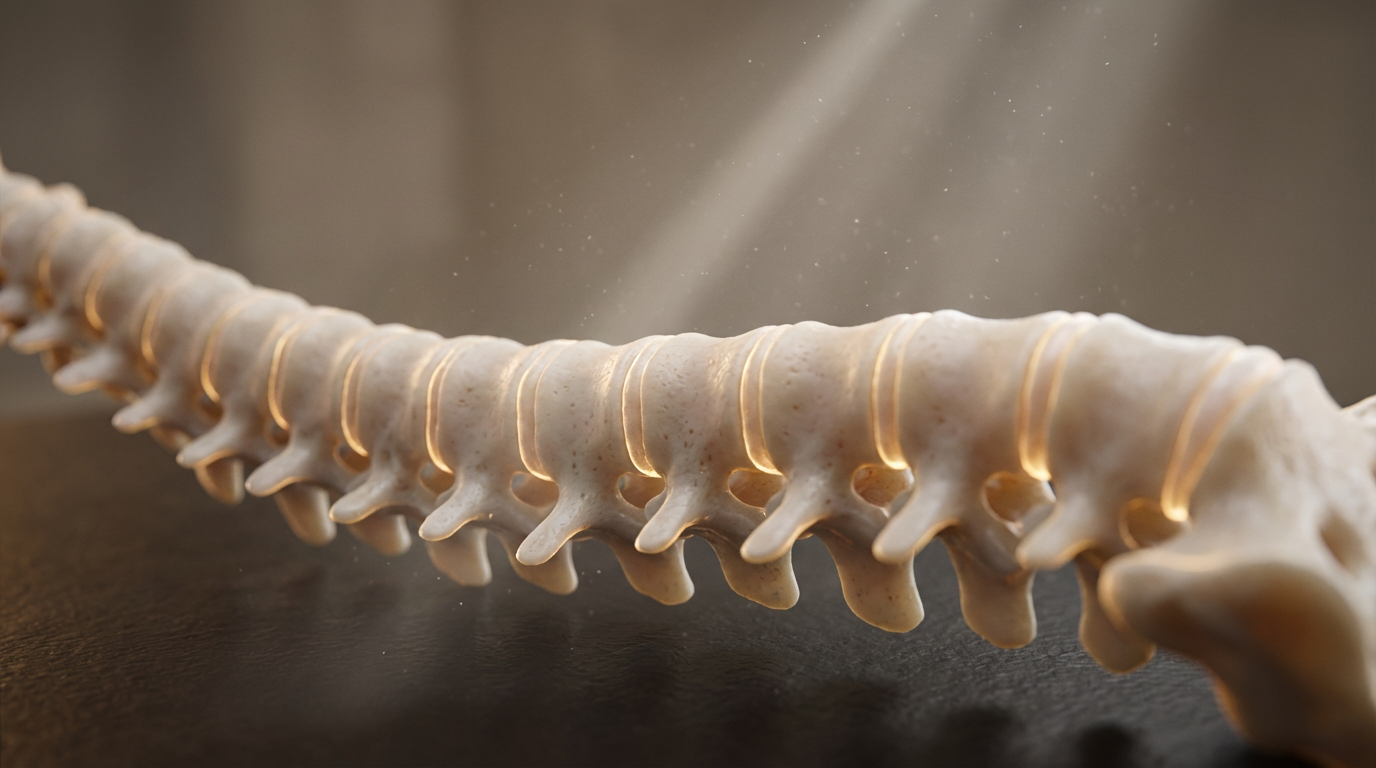
Chiropractic care is one of the most popular methods for correcting spinal alignment. Chiropractors use manual adjustments to realign the spine, reducing pain and improving mobility. This non-invasive technique can be beneficial for individuals suffering from chronic pain or discomfort.
Regular chiropractic sessions can help prevent future misalignments and promote overall wellness. It's important to consult with a qualified chiropractor to develop a personalized treatment plan that addresses your specific needs.
Yoga and Stretching
Yoga is an excellent practice for promoting spinal alignment and flexibility. Through various poses and stretches, yoga helps lengthen the spine and release tension in the muscles. Consistent practice can lead to improved posture and reduced back pain.
Incorporating stretches into your daily routine can also be beneficial. Focus on exercises that target the back, neck, and shoulders to maintain flexibility and prevent stiffness.

Pilates for Core Strength
Pilates is another effective technique for improving spinal alignment. It emphasizes core strength, which is crucial for supporting the spine. A strong core helps maintain proper posture and reduces the likelihood of injuries.
Pilates exercises focus on controlled movements and breathing, allowing for greater awareness of your body and its alignment. Whether you attend classes or practice at home, Pilates can be a valuable addition to your wellness routine.
Posture and Ergonomics
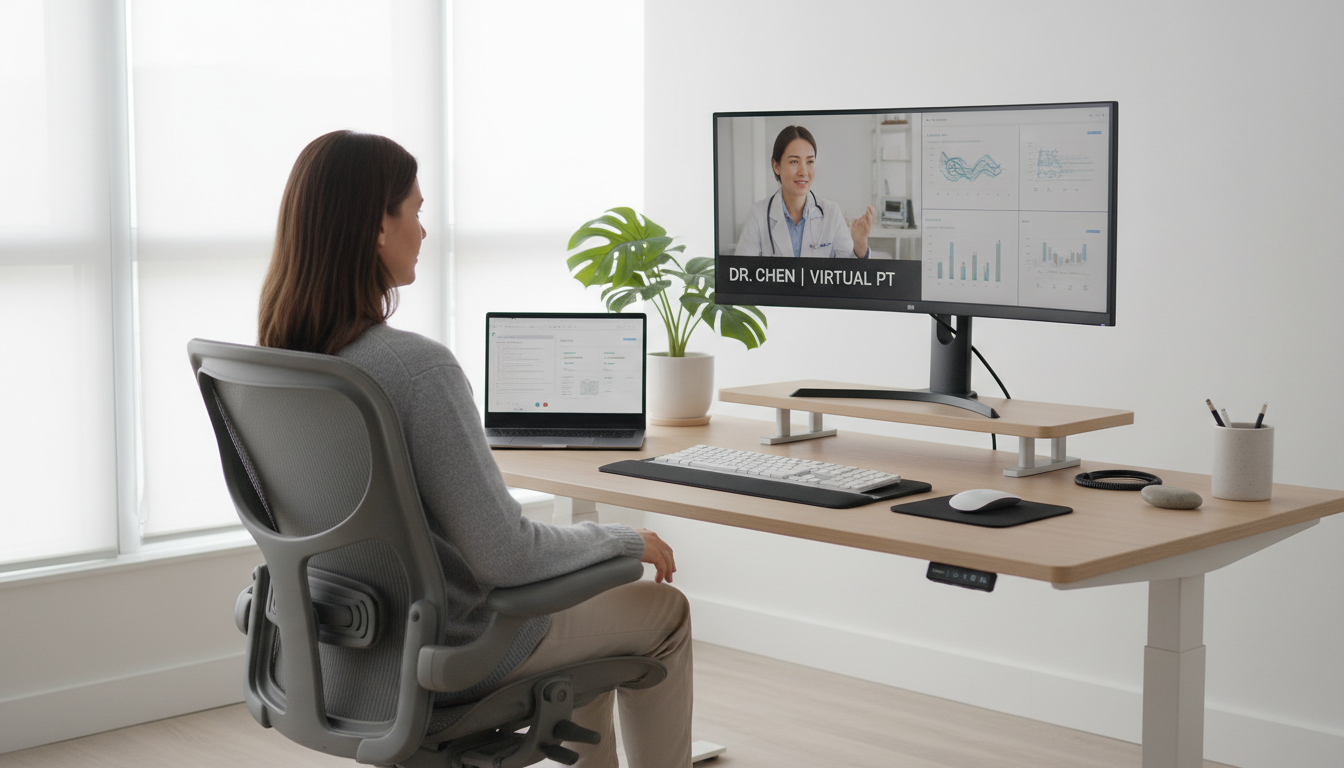
Maintaining good posture is vital for spinal alignment. Pay attention to how you sit, stand, and move throughout the day. Use ergonomic furniture and tools, such as chairs with lumbar support and adjustable desks, to support proper posture.
Being mindful of your posture, especially during long periods of sitting, can prevent strain on your spine and improve overall alignment. Regular breaks and posture checks can help reinforce these habits.
Massage Therapy
Massage therapy can be an effective way to release tension and improve spinal alignment. By targeting specific muscles, massage can alleviate pain and promote relaxation, making it easier for the spine to align naturally.
Regular massage sessions can enhance blood flow and reduce muscle tightness, contributing to better posture and alignment. Consider incorporating massage into your routine for comprehensive spinal care.
Conclusion
Achieving optimal spinal alignment is a multifaceted approach that includes chiropractic care, exercise, posture adjustments, and massage. By integrating these techniques into your lifestyle, you can enhance your overall well-being and prevent future health issues.
Remember that consistency is key. Regular practice and attention to your spinal health can lead to significant improvements and a more balanced life.