
The Ultimate Guide to Spinal Alignment for Long-term Wellness


Understanding Spinal Alignment
Spinal alignment is the proper positioning of the vertebrae so that the body functions optimally. A well-aligned spine supports overall health and can prevent numerous chronic conditions. Proper alignment ensures that the nervous system operates without interruptions, reducing pain and improving mobility.
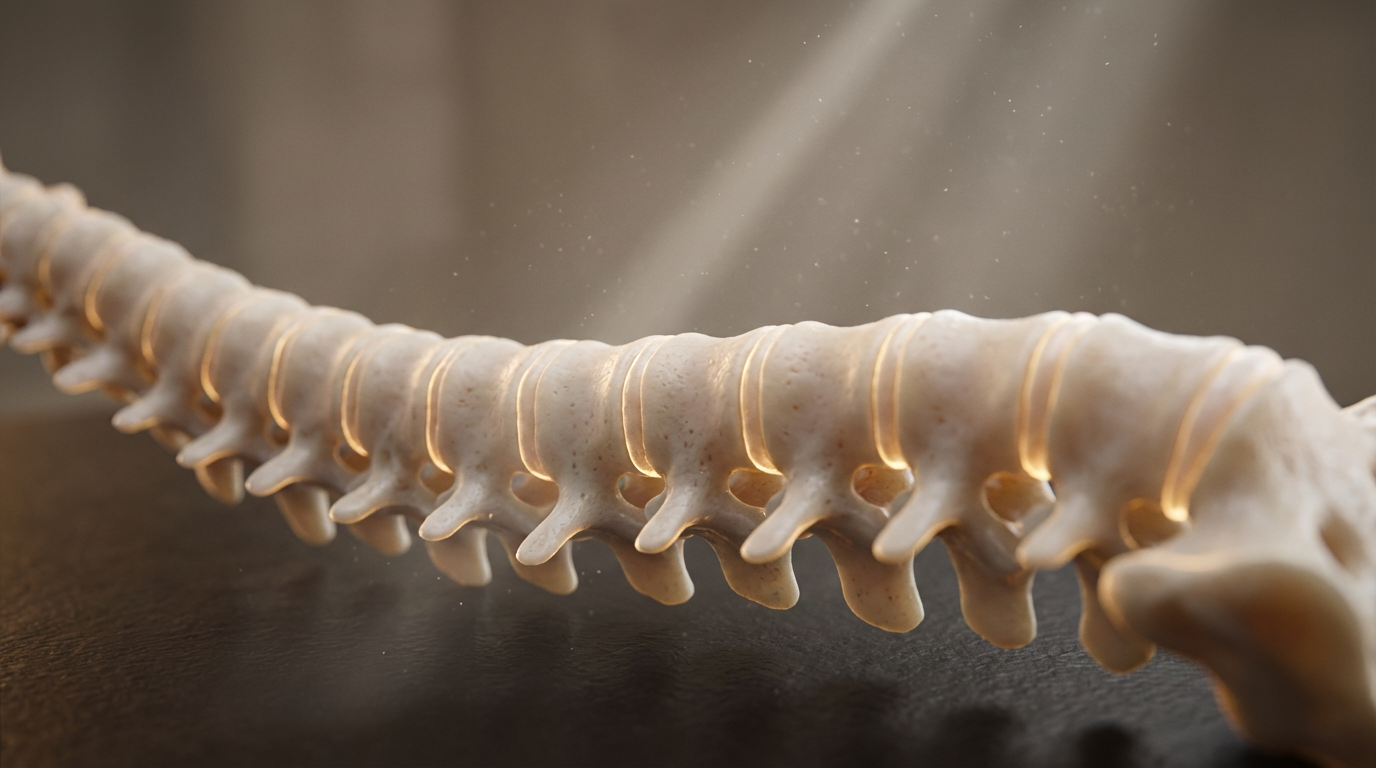
When the spine is misaligned, it can lead to discomfort, restricted movement, and various health issues. Understanding the importance of spinal alignment is the first step toward achieving long-term wellness.
Benefits of Proper Spinal Alignment
Maintaining good spinal alignment offers numerous benefits. It can reduce back pain, enhance posture, and prevent future injuries. Additionally, it aids in better digestion, improved circulation, and more efficient nerve function. These benefits contribute to overall wellness and a higher quality of life.
Proper alignment also supports mental health by reducing stress and promoting relaxation. When your body is in balance, it's easier to focus and stay calm, contributing to emotional well-being.
Recognizing Misalignment Symptoms
It's important to recognize the symptoms of spinal misalignment early. Common signs include chronic back pain, headaches, and stiffness. You might also experience tingling or numbness in the limbs. Pay attention to these signs as they could indicate the need for a professional evaluation.

Early intervention can prevent more serious issues down the line. If you suspect a problem, consult a healthcare professional to assess your spine's condition.
Exercises for Spinal Alignment
Regular exercise is critical for maintaining a healthy spine. Here are some exercises to support spinal alignment:
- Yoga: Enhances flexibility and strengthens core muscles.
- Pilates: Focuses on core stability and alignment.
- Swimming: Provides a low-impact workout that supports the spine.
Incorporating these activities into your routine can help maintain your alignment and improve your overall health.
Professional Support and Therapies
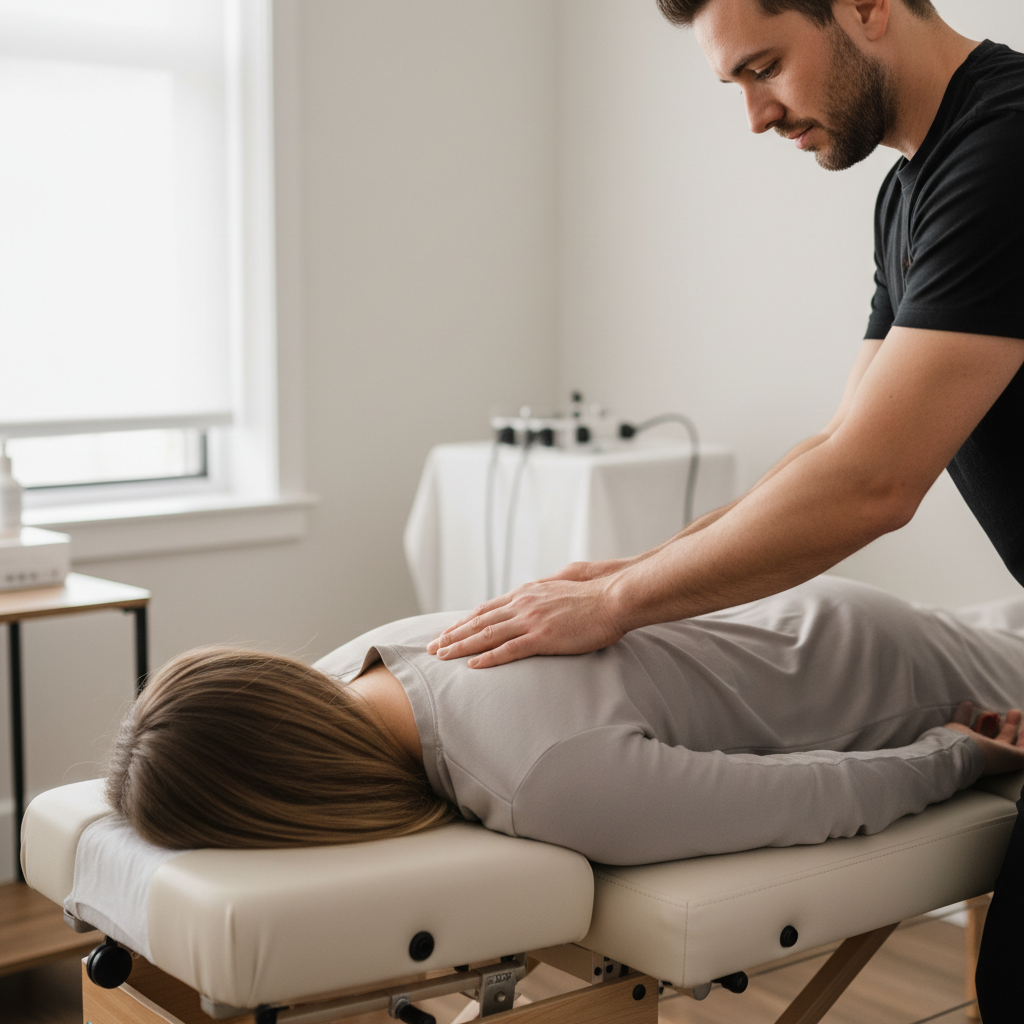
Sometimes, professional support is necessary for proper spinal alignment. Chiropractors and physical therapists can offer treatments and advice tailored to your needs. These professionals use techniques like spinal manipulation and massage therapy to correct misalignments.

Regular visits to a chiropractor or physical therapist can provide long-term benefits and help prevent future issues. They can also guide you in exercises and lifestyle changes necessary for maintaining a healthy spine.
Lifestyle Changes for a Healthy Spine
Adopting a spine-friendly lifestyle is crucial for long-term wellness. Consider the following tips:
- Maintain a healthy weight to reduce stress on your spine.
- Use ergonomic furniture at work and home.
- Stay active and avoid prolonged periods of sitting.
These changes can significantly impact your spinal health, ensuring you enjoy a pain-free and active life.
Conclusion
Spinal alignment is a key component of overall wellness. By understanding the importance of a healthy spine, recognizing misalignment symptoms, and incorporating beneficial exercises and lifestyle changes, you can enjoy long-term health benefits. Take action today to ensure that your spine supports you in all your future endeavors.